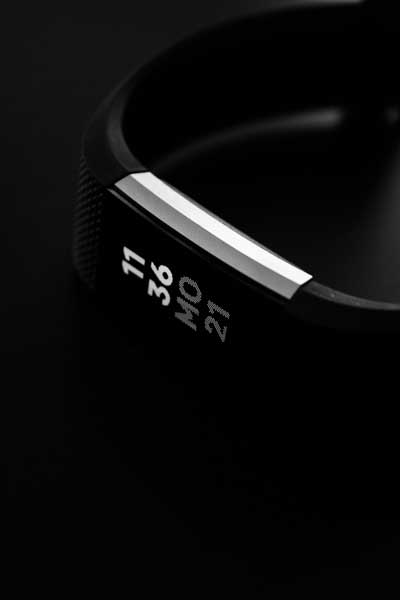
If you’ve been in an accident recently while wearing a health tracking device, you may not have considered the possibility that you are carrying a veritable treasure trove of evidence on your wrist.
According to research by Rock Health, nearly 60 percent of Americans say they wear a smartwatch or other wearable health tracking device. These devices track a wide variety of information, some of which may be admissible in New York courts.
I’ll tell you more below, or if you have been in an accident and want to know more about whether your wearable evidence may help prove your case, get in touch with a personal injury attorney at Buttafuoco & Associates for a free consultation.
What Data Can Wearables Capture?
Wearable fitness and health trackers run the gamut in terms of the type and amount of data they can capture, from basic to advanced. However, some of the data a device may record includes:
- Heart rate before versus during or after the accident
- Sudden movements, falls, or impacts
- GPS location information
- Stress metrics, such as heart rate and oxygen saturation
In the hands of a knowledgeable personal injury attorney, this information can be used to prove a variety of crucial points in court. Many smartwatches contain gyroscopes, which detect sharp motion, sudden falls, or other serious impacts.
Interestingly, when a wearable device detects sudden movement followed by a loss of momentum, it will record the exact time, coordinates, and force of the accident. A lawyer can then use this information to show that your injuries were directly related to the accident.
If your health has been affected by an accident, a fitness tracker often has evidence to support this claim. These devices keep long-term logs of your resting heart rate, sleep quality, daily steps, and how much time you spend exercising.
After an injury, it is likely that these patterns will change and an attorney can use this information to show that your level of physical ability was reduced by the accident.
Wearable device data will also show changes to your sleep (potentially due to stress or trauma). This can potentially be used to support an argument that the accident harmed your mental health or diminished your quality of life.
On the flipside, it is important to be aware that fitness tracker data can also be used against victims. If your data shows no changes to your activity level or walking or running pace, or if it detects that you went on a long hike days after an accident, it may compromise your case.
Battling Insurance Companies
Insurance companies as well as defendants frequently argue that accident victims make false claims about their injuries. They will do anything to show that you are not injured at all, or are not as injured as you claim, thus reducing your financial payout. They may also argue that a victim’s symptoms were preexisting, caused by a medical condition that preceded the accident.
Digital device data can protect you from the false claims of defendants and insurance companies. If you are struggling to negotiate with an insurance company, or if an insurer has offered a lowball settlement after an accident, getting in touch with a New York personal injury attorney may help you recover the fair compensation you are entitled to.
Wearable Device Do’s and Don’t’s After an Accident
If you have been in an accident, it’s important to protect your wearable data. Always avoid deleting or resetting your device, and export any health and location data immediately after the accident so it is preserved.
Some devices delete or overwrite data at specific intervals, so exporting data can be helpful. Let your attorney know what type of device you were wearing: they may have additional insight into how to preserve evidence.
If you have been in an accident and believe your wearable fitness or health tracker may have important information for your case, get in touch with the Buttafuoco & Associates New York personal injury team today. We can help you determine the best course forward.
Call us today at 1-800-NOW-HURT.