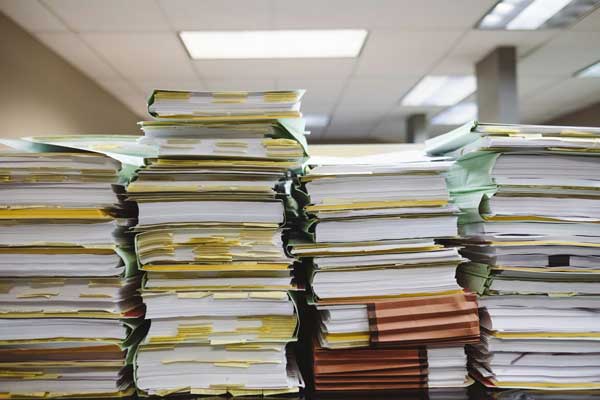
One of the most important tasks at the outset of any personal injury case is preserving evidence. When a party fails to do so, it’s known as spoliation of evidence. Sometimes destroyed evidence is intentional, other times it isn’t, but regardless of the motivation, it can have an enormous impact on your case.
If you’ve been injured in an accident, potential spoliation of evidence is one reason why at Buttafuoco & Associates, we advise clients to act as quickly as possible, so a New York personal injury attorney can take action to preserve the critical evidence in your case.
What is Spoliation of Evidence?
The legal definition of spoliation of evidence is the alteration or destruction of evidence relevant to a given legal dispute. This can either be intentional or the result of negligence.
When you file a personal injury case, your New York personal injury attorney will likely file what’s known as a letter of spoliation—sometimes called a preservation letter—which demands that evidence be preserved.
This letter establishes that the defendant knows that certain evidence is relevant to a legal case, protecting it from intentional or routine destruction. For example, in the case of a slip-and-fall in a store, security camera recordings may only be kept for a certain amount of time before being deleted as a routine procedure.
What if Evidence Was Already Lost or Destroyed?
If evidence is destroyed—whether maliciously, recklessly, or as a matter of routine—your New York personal injury attorney can file a motion of spoliation, which can then incur sanctions on the defendant. For this motion to be successful, there are three requirements:
- Duty to Preserve: The controlling party must have an obligation to preserve the evidence due to pending (or clearly foreseeable) litigation. This is often established by your attorney’s initial spoliation letter
- Culpability: New York law refers to the responsible party’s state of mind, stating that the party acted “intentionally, wilfully, or negligently.” In other words, the party knew—or should have known—that the evidence to be preserved.
- Relevance: The evidence in question must be relevant to the case and adversely impact the case of the party filling the motion for spoliation.
If the destruction, loss, or alteration of evidence meets these conditions, the court has significant discretion as to what sanctions they level at the responsible party.
Common sanctions in New York include:
- Monetary Fines: The court may order the party who destroyed evidence to pay for legal fees or other costs associated with recovering the lost evidence.
- Preclusion of Evidence: The court may restrict certain evidence or testimony from the offending party, especially if it’s relevant to the evidence that was lost.
- Adverse Inference: The judge can instruct the jury that they may conclude that the evidence would have hurt the case of the party who destroyed the evidence.
- Default Judgement or Dismissal: In severe cases of willful destruction of evidence, the court may take action as extreme as dismissing a case or making a default judgement in the plaintiff’s favor.
Working with a personal injury lawyer can help you not only ensure that evidence is preserved, but ensure that if spoliation of evidence occurs, the responsible party is held accountable.
When to Contact an Attorney
If you’ve been injured in an accident, it’s critical that you reach out to a qualified New York personal injury lawyer quickly. One of the first things they can do is file a letter of spoliation to establish that the evidence is relevant to ongoing legal action.
Call 1-800-NOW-HURT for a free consultation with Buttafuoco & Associates; preserve the evidence before it’s too late.