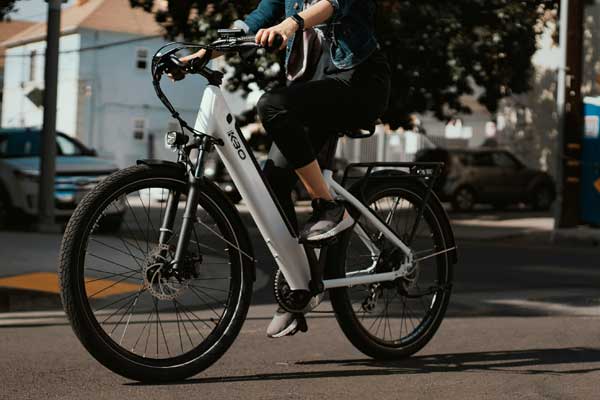
New York City has seen a huge surge of e-bikes and e-scooters in recent years. These vehicles—sometimes called “micromobility” vehicles—are an efficient, low-cost mode of transportation for many New Yorkers, from daily commuters to delivery drivers. However, our cities’ infrastructure has not kept up with the growing usage, leading to an uptick in dangerous crashes and serious injuries.
These accidents can lead to serious injuries or even wrongful death for riders. With this in mind, it’s important to know the legal categories for e-bikes and e-scooters under New York law to ensure your legal protections.
Knowing the Difference: e-bikes and e-scooters in New York Law
According to the New York State DMV, bicycles with an electric assistance (e-bikes) are categorized into three classes:
- Class 1 e-bikes provide motorized assistance while pedaling only and cut off at 20 mph.
- Class 2 e-bikes can be throttle-propelled (propelled with no pedaling), but also have a top speed of 20 mph.
- Class 3 e-bikes may be throttle-propelled with a top speed of 25 mph but are only permitted in cities with a population over one million; in New York, this means exclusively New York City.
The DMV classifies e-scooters separately. They are devices weighing under 100 pounds with handlebars and either a floorboard or a seat, powered by a motor, and requires no pedals. Additionally, e-scooters have a maximum speed of 20 mph.
While the distinction may appear small, a New York e-bike accident attorney will tell you that the legal difference can be significant in a personal injury case. The category of vehicle can determine what traffic laws applied at the time of the accident, what speed is considered lawful, and how New York’s no-fault insurance system will apply to your case.
New York City provides a detailed breakdown on the legal distinctions between e-bikes, e-scooters, and mopeds, including maximum speeds, licensing and registrations, helmet requirements, and what roadways are permitted.
New Mandatory Reporting Requirements (July 2025)
According to our traffic accident lawyers serving New York, some of the most critical developments to protect riders are the new mandatory reporting requirements for accidents involving e-bikes or e-scooters.
Effective July 11, 2025, both e-bike and e-scooter accidents causing physical injury or damage over $1,000 must be reported to the DMV and police within 10 days.
Additionally, police are now required to investigate any reported e-bike or e-scooter crash involving physical injury.
Previously, many e-bike and e-scooter crashes went unreported. Without an official police record of the incident, this left injured victims in a precarious legal position for recovering damages in a personal injury case.
Who is responsible for an e-bike or e-scooter crash?
Three of the most common liable parties include:
- Motor vehicle drivers: Often drivers, for example, fail to yield or run red lights, putting e-bike and e-scooter operators in significant danger.
- Municipalities or property owners: It’s the duty of a city or property owner to maintain safe road conditions, including visible bike lane markings and well-maintained road surfaces.
- Manufacturers and retailers: If brake failure, a battery defect, or other product malfunction contributed to an accident, you may have strong grounds for a product liability case.
It’s also imperative to remember that New York law uses comparative negligence when determining fault. This means that even if the rider is partly at fault for a crash, they can still recover compensation if other parties’ negligence contributed to the accident.
Contacting Buttafuoco & Associates for your e-bike or e-scooter personal injury case
The law surrounding e-bikes, e-scooters, and other micromobility devices are changing rapidly. This means riders need skilled attorneys to protect their rights and recover the compensation they need after an accident. At Buttafuoco & Associates, our personal injury attorneys have the experience to handle this new legal territory.
Call 1-800-NOW-HURT for a free consultation.